A butcher’s eye for flavour
In Kakogawa, our grandfather sold beef he bought at the local auction. The family opened Niku no Hirai in Shikata in 1968. When his son took over, he looked beyond the pattern of white fat in a cut. What interested him was the flavour that stayed with you as you chewed. That question took him from the counter to the farm.
Two farms in Hyogo
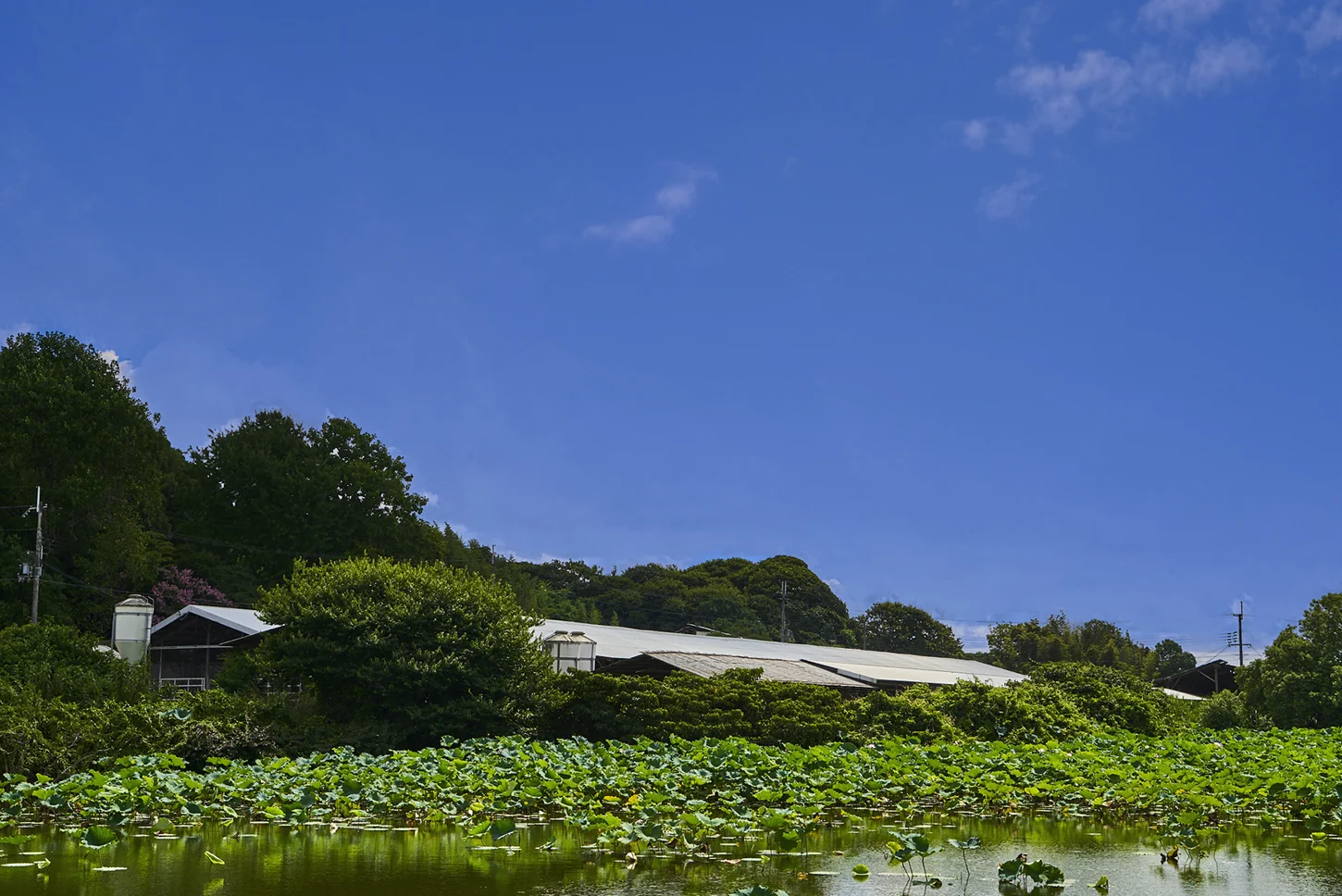
Nanatsuike Farm opened in Kakogawa in 1983. Expectant cows have room to spend time outdoors there. In 1985 the family opened a second farm in Kasai, where Tajima cattle grow up in barns beside a lotus pond. Kobe beef comes from Hyogo’s Tajima cattle. The name is awarded only to beef that meets the grading criteria, including meat quality, marbling and carcass weight.
Morning and afternoon in the barn
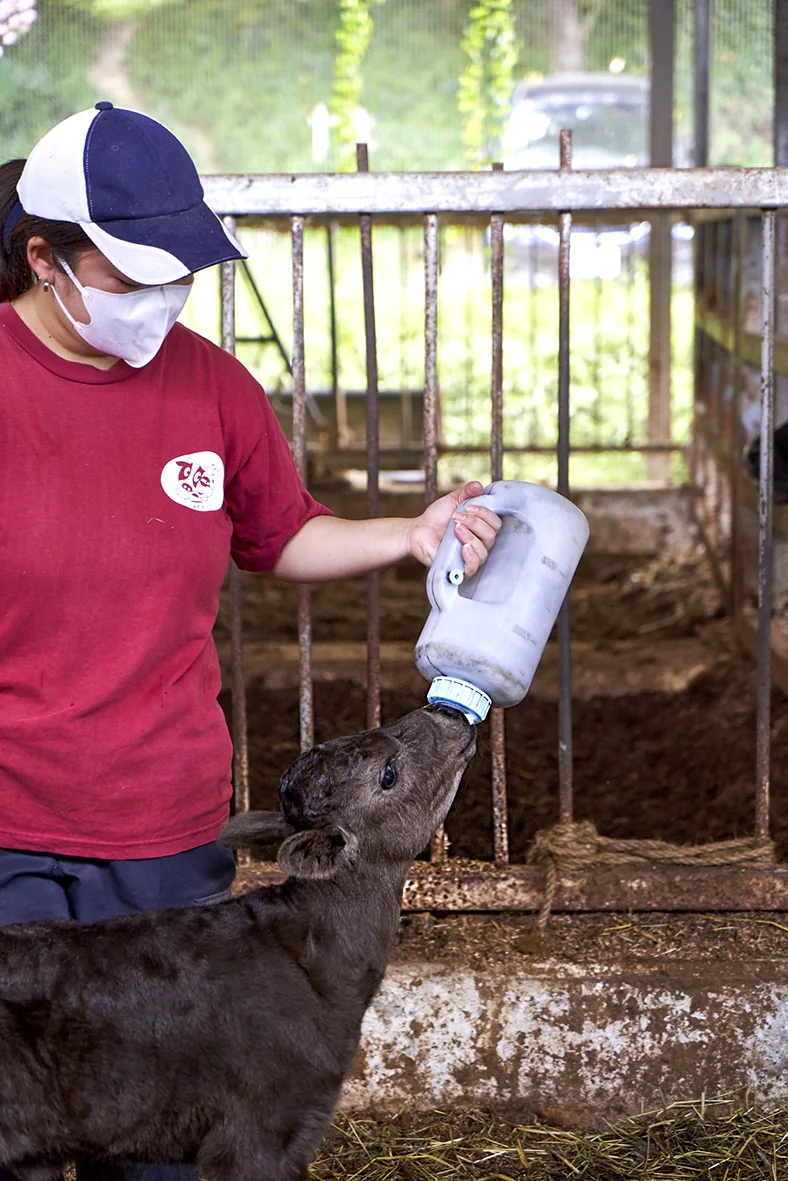
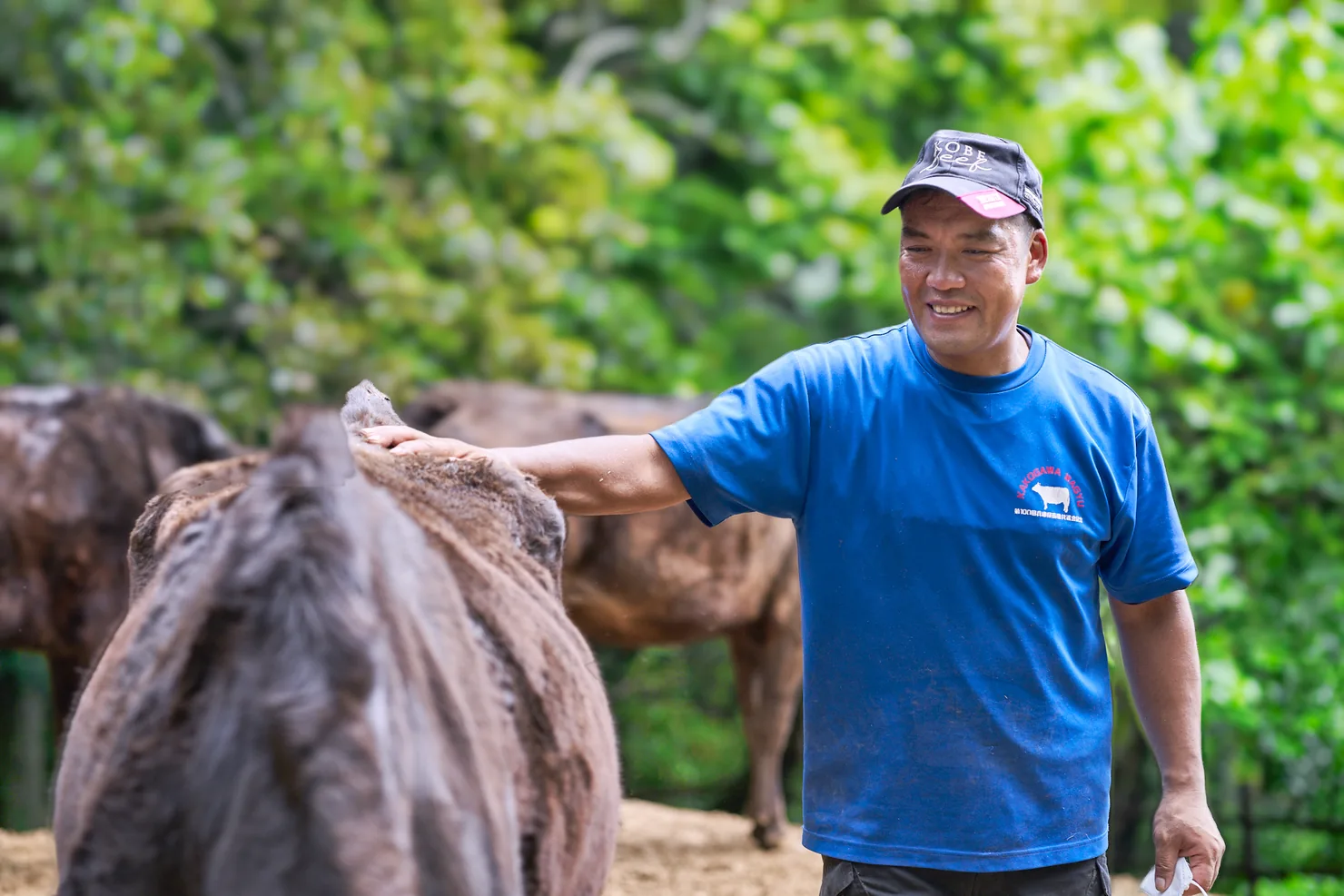
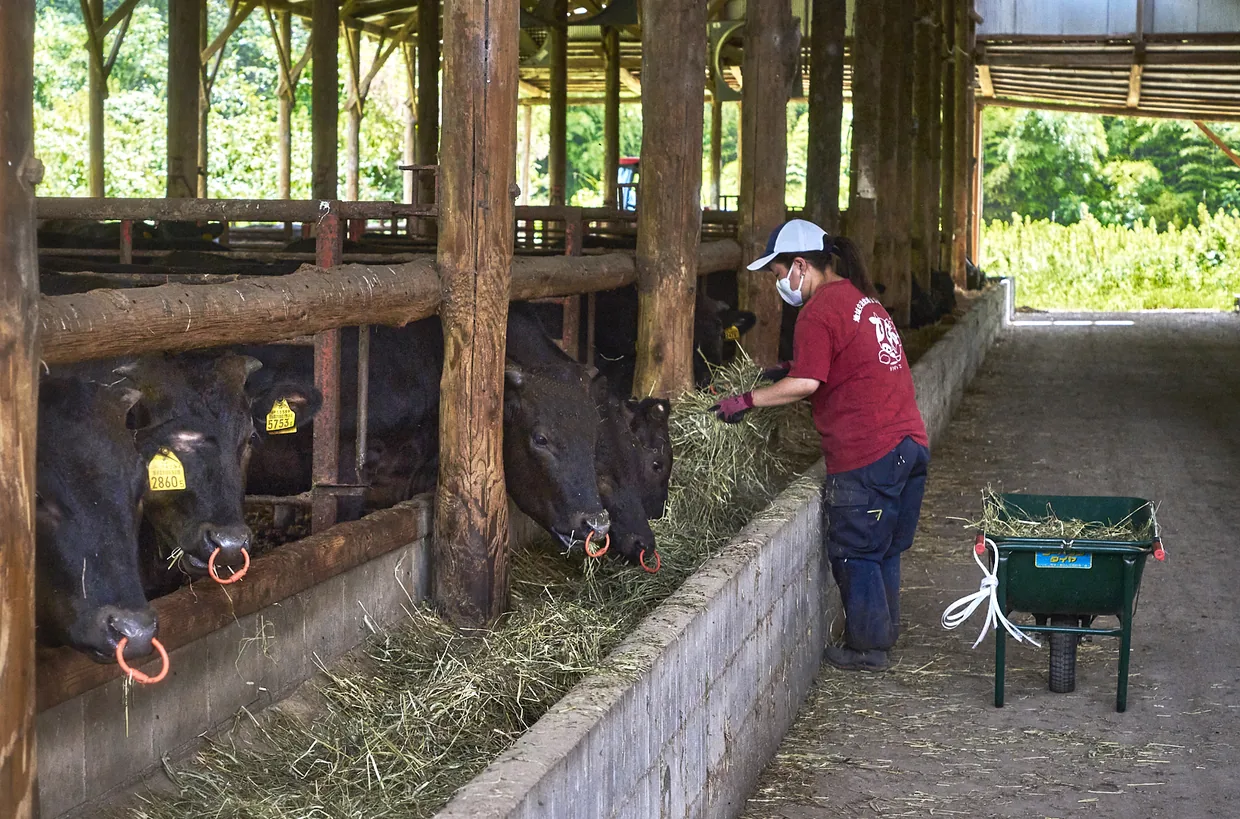
Farm manager Daisuke Hirai moves between the two farms, watching each animal for small changes in its condition. The team cleans the barns and feeds the cattle morning and afternoon. Their own blend includes soybean meal, wheat bran and rice bran, alongside straw and hay. The farm aims to raise Tajima cattle to around 30–32 months, giving the flavour time to develop.
Two brothers, two sides of the counter
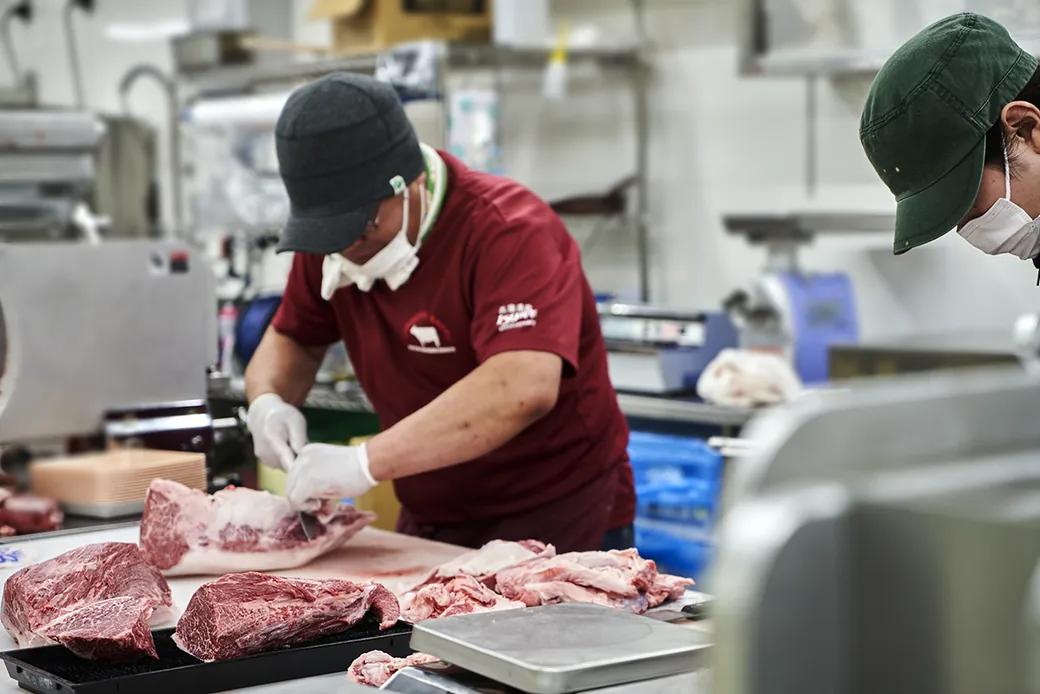
As a boy, Yuichiro Hirai spent weekends feeding calves and changing bedding. He went on to run the meat shop while his younger brother Daisuke chose the farms. At the shop, a boxed tasting set of six cuts let customers compare them by name. Their feedback even helped shape how the meat was sliced. In October 2026 the family brought that conversation to its yakiniku tables in Kaminoge, Tokyo.